LSD
- LSD
- Acid
- Blotters
- Lucy
- Tabs
LSD
What is it? A central nervous system disruptor. It is one of the strongest hallucinogens.
Also called… Acid, blotters, Lucy, tabs.
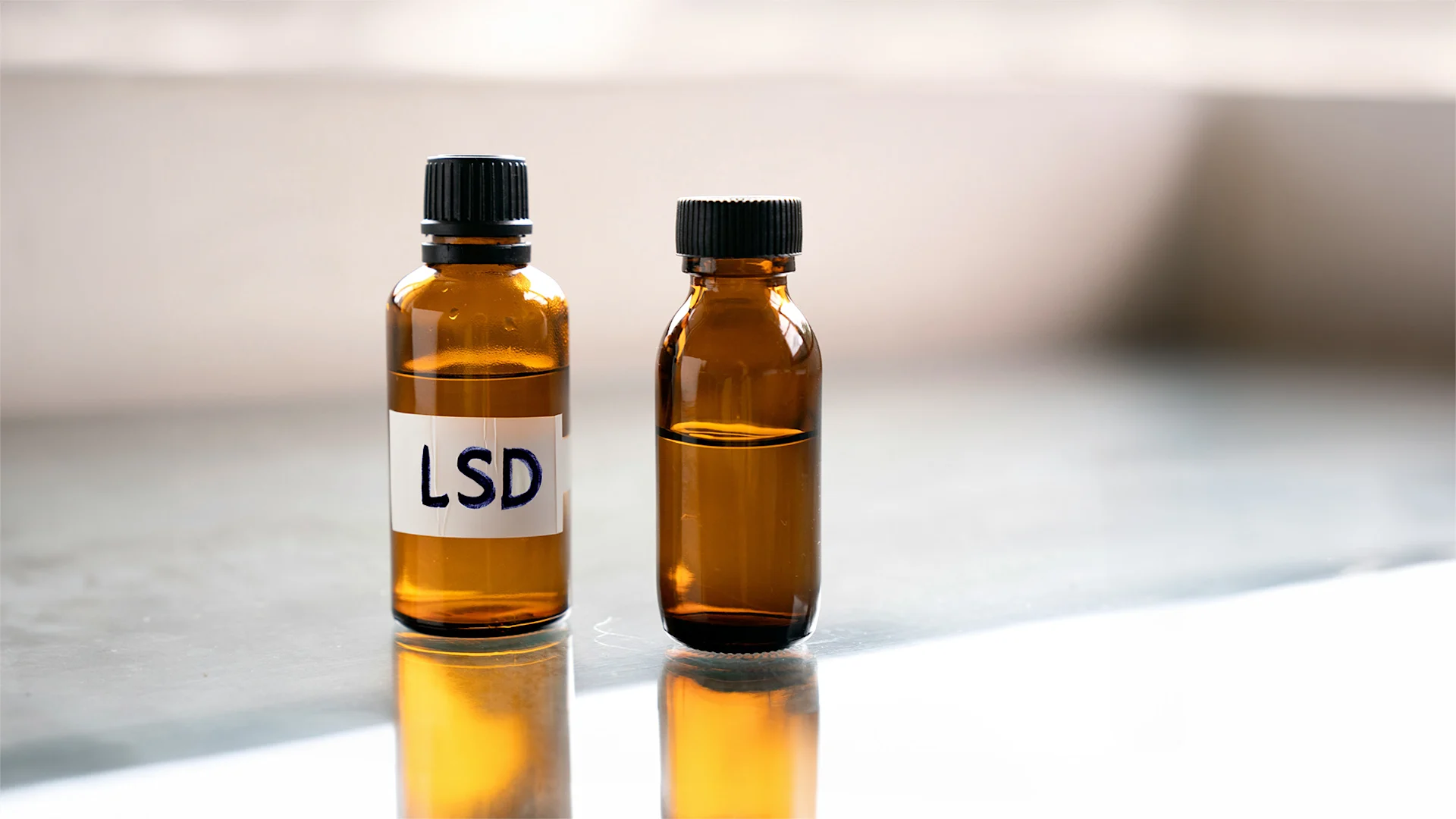
What does it look like? Awhite, crystalline, odorless, water-soluble powder. It is also available as a clear liquid, which is dropped onto blotter paper, gelatin, or sugar cubes.
How is it used? Orally, either as pills, droplets, on blotter paper set on the tongue, or a liquid in which the blotter paper has been dissolved.
When does the buzz start? Around 15 to 45 minutes after taking a dose. The hallucinogenic effect starts 30 to 45 minutes after taking the substance.
How long does the buzz last? The peak of the effect is reached around the 2 to 4 hour mark and the hallucinations usually last 6 to 12 hours.
Someone might choose to use LSD to…
feel a sense of well-being and euphoria
laugh uncontrollably
feel creative
distort their perceptions
have hallucinations
change their thoughts
promote introspection or have visions
However, LSD can also...
cause bad trips, characterised by dysphoria (a general sense of discomfort), anxiety, fear, a sense of panic or depression
cause psychotic episodes, manifested through unusual behaviour, delirium, paranoia and terrifying hallucinations
cause difficulties concentrating and remembering
create impressions of weightlessness or heaviness
give the impression of being disconnected from one’s body and make it difficult to structure thoughts
cause major mood swings:
from joy to despair
from wellness to terror or aggressiveness
from calmness to anxiety or depression
alter judgment and your perception of depth, speed and time
precipitate psychosis in people with a predisposition or vulnerability to the condition
Tolerance to psychedelic substances forms rapidly. After a few days of consecutive use, no dose will produce the same effects as the first time. However, after 3 or 4 days of abstinence, sensitivity to the substance is restored.
LSD does not cause physical dependence or withdrawal symptoms; however, long-term use can induce a loss of motivation and have repercussions on mental and emotional health. It is also possible to re-experience hallucinations (acid flashback) without retaking LSD.
If you use LSD…
Know that what is being sold as LSD can contain other toxic substances.
Start with a small quantity to assess its strength and potency, as well as avoid bad surprises.
Avoid using if you’re not feeling well emotionally, because hallucinogens tend to amplify your present state. Make sure to be in a clear mindset, and in a comfortable and safe space.
Have a plan prepared in advance in case you start to feel unwell during your trip.
If one of your friends is having a bad trip, you should try to be reassuring and care for them in a calm space with dim lighting. You can remind them that it is a temporary experience, that it will pass, and do breathing exercises.
Avoid mixing; combining LSD with other substances can have even more unpredictable effects. Doing so is risky with any other substance, but particularly with other disruptors (e.g., cannabis, ketamine, mushrooms, PCP, etc.)
Know that recovery from LSD intoxication is gradual and takes 10 to 12 hours.