Cocaine
- Crack
- Freebase
- Coke
- Snow
- Blow
- Powder
Cocaine
What is it? A powerful central nervous system stimulant.
Also called… Crack, freebase, coke, powder, snow, blow.
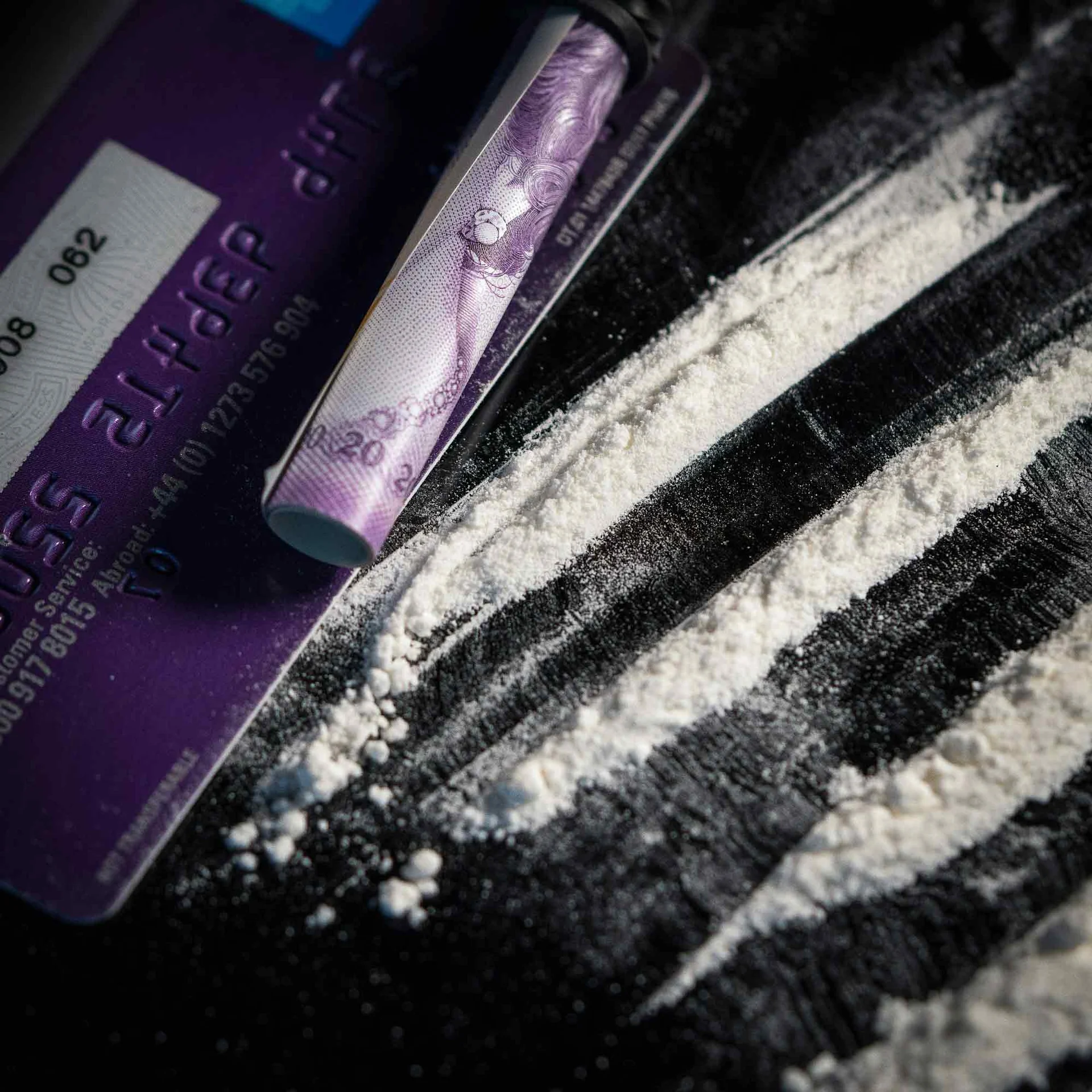
What does it look like? A white powder, paste, rocks, or crystals.
How is it used? Most commonly snorted, smoked, or injected.
When does the buzz start? Within 2 to 3 minutes after use if snorted, or within seconds if smoked or injected.
How long does the buzz last? About 15 to 40 minutes.
Someone might choose to use cocaine to…
increase concentration and alertness
enhance sensory perception
feel more talkative and euphoric
have more energy
reduce feelings of fatigue and hunger
experience a sense of power and self-confidence
However, cocaine can also…
lower inhibitions, increasing the likelihood of engaging in risky or harmful behaviors
increase aggression
raise body temperature
constrict blood vessels and dry out the nasal passages
cause hallucinations
lead to irritability, suspiciousness, or paranoia
cause heart palpitations
trigger tics or involuntary movements
cause jaw tension and teeth grinding
in the event of an overdose: agitation, seizures, cardiorespiratory problems, paranoid delusions, or panic attacks
cause significant damage to neurons and, with regular use, increase the risk of nasal septum perforation
in the hours and days following use: anxiety, mood swings, sadness, decreased motivation, and insomnia
Cocaine has a strong addiction potential. Regular use can increase your tolerance (needing more to achieve the same effect). Cocaine is particularly not recommended for people with epilepsy, heart conditions, fragile mental health, or sleep disorders. Because cocaine's effects are short-lived and the comedown can be uncomfortable, repeated use over a short period of time is common and can increase the risk of problematic use. Withdrawal can be difficult and may include several symptoms: intense cravings, dysphoria (feeling emotionally low or dissatisfied), sleep disturbances, fatigue and exhaustion, anxiety, agitation, irritability, slowed heart rate, depression.
If you use cocaine…
Be aware that substances sold as cocaine often contain other toxic substances.
Start with small amounts to assess potency and quality, and space out doses to avoid unpleasant surprises.
Avoid sharing drug-use equipment (e.g., straws, keys, syringes, or spoons), as this can transmit hepatitis B, hepatitis C, and HIV. Rinse your nostrils with water to help reduce damage to the nasal lining.
Avoid mixing substances; combining cocaine with other substances can be risky and its effects can become even more unpredictable. Mixing with other stimulants (e.g., MDMA/ecstasy or speed) is especially risky because it increases strain on the heart. Mixing with alcohol can also be dangerous because it may mask the effects of intoxication.
Keep in mind that even if you feel alert or in control while using cocaine, it is often best to postpone important decisions.
Stay close to someone you trust, ideally someone who has not used substances.
Know that drug testing services, where you can have your substances checked, are available.