Ketamine
- K
- Ket
- Special K
- Ketty
- Vitamin K
Ketamine
What is it? A central nervous system disruptor.
Also called… Ket, Special K, K.
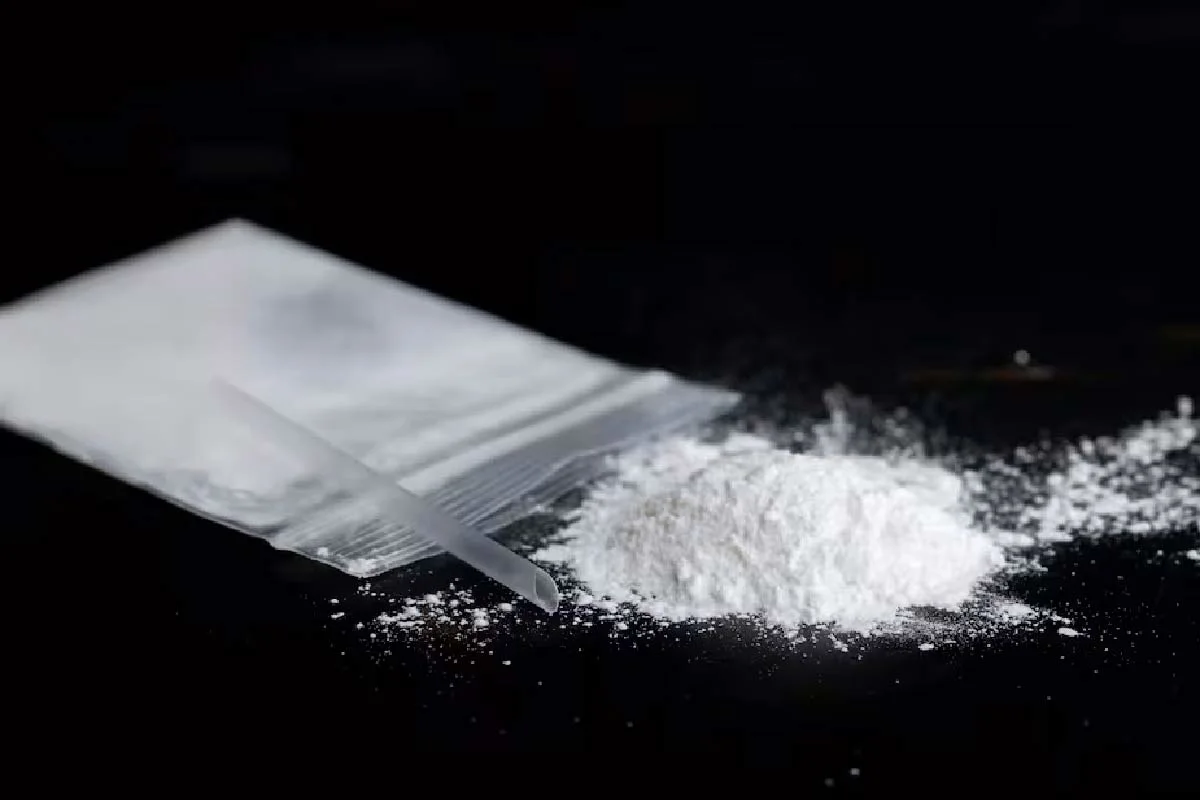
What does it look like? Pills, white powder (water- or alcohol-soluble), crystals or liquid.
How is it used? Orally, nasally, by inhalation, or by injection.
When does the buzz start? 5 to 15 minutes when snorted or smoked, immediately when injected, and 20 to 30 minutes when taken orally.
How long does the buzz last? About 1 to 4 hours, depending on the method of use.
Someone might choose to use ketamine to…
experience euphoria
hallucinate
feel like they’re floating
feel stimulated
enter a dream-like state, as if reality is becoming distant
reach mystical/spiritual revelations
However, ketamine can also...
raise heart rate and blood pressure
slow down breathing
weaken the muscles surrounding the bronchi
create confusion and numbing of the extremities
provoke dizziness
disrupt your memory
provoke muscular coordination problems
induce schizophrenia-like symptoms
create problems with elocution and thinking
cause vomiting and vertigo
cause profound dissociation between your body and mind (K-Hole)
in cases of overdose: result in prolonged sedation (3 to 24 hours), respiratory depression, heart failure, stroke and paralysis.
Frequent ketamine use can negatively affect your memory, attention span, vision, and even lead to psychosis. Ketamine creates a strong tolerance, which can lead to developing physical and psychological dependence.
Ketamine is one of the rare CNS disruptors that has the potential to create a dependence. The state of being in a K-Hole (intense hallucinations where the person is in a dissociative state) can be difficult, affect mental stability and be worrying to the people around you.
Ketamine is especially discouraged for people with cardiac problems, epilepsy or people who are not feeling well psychologically.
If you use ketamine…
Know that what is being sold as ketamine can contain other toxic substances.
Start with small quantities to assess strength and potency and avoid bad surprises. Compared to other sniffed substances, a smaller quantity is necessary to feel an effect.
Avoid sharing equipment to prevent transmitting or developing HIV, hepatitis B or hepatitis C.
Rinse your nose with water to minimize damage to your nasal cavities.
Avoid mixing with other substances; combining ketamine with other substances can have even more unpredictable effects and is especially risky with alcohol, other depressants (effects are amplified), and disruptors.
Avoid activities that require clear judgment.
Reduce the risk of a bad trip by using in a safe and familiar environment.
Stay close to someone you trust, ideally someone who hasn’t used any substances.